
AI should save money, not surprise you. Control cost by routing work to the right models, caching what repeats, and setting budgets like you would for any other service.
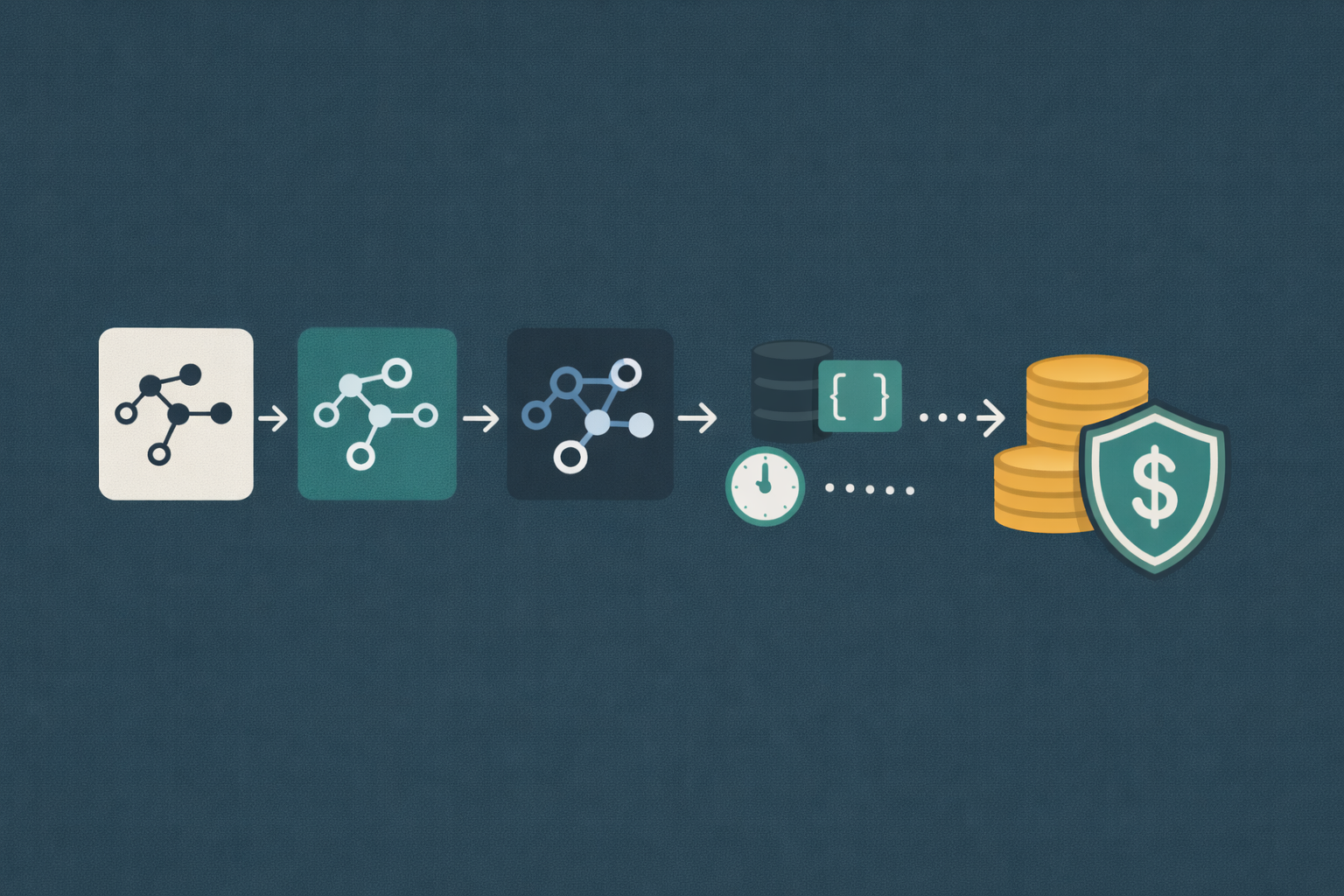
Start with cost per action
Define the unit you care about.
- Cost per drafted email
- Cost per ticket summary
- Cost per generated test file
Calculate it and make it visible. If you cannot see it, you cannot manage it.
Route by difficulty
Not every task needs the most powerful model.
- Easy classification to a lightweight model
- Standard drafting to a mid tier model
- High stakes or complex tasks to a top model
Automate routing with simple rules and promote only when needed.
Cache aggressively where safe
The cheapest token is the one you do not send.
- Cache embeddings for repeated passages
- Cache retrieval results for frequent queries
- Cache full responses for common prompts
Add short expirations so content stays fresh.
Batch and schedule low urgency work
Do not pay peak prices for sleepy tasks.
- Group similar requests into one call
- Run nightly jobs for large updates
- Precompute summaries and indexes off hours
Keep prompts tight and structured
Long prompts waste tokens and slow results.
- Remove filler and redundant instructions
- Use templates with variables
- Ask for JSON when you need structure
Set hard budgets and alerts
Treat AI like any other utility.
- Daily and monthly spend caps
- Per user and per feature limits
- Alerts for cost per action spikes
Stop runaway spend before it starts.
Log, review, and tune
Make cost reviews a habit.
- Compare model choices against quality scores
- Identify cache misses and expand coverage
- Revisit routing rules every month
Cost control is a design choice, not a last resort. With routing, caching, batching, tight prompts, and clear budgets, your AI bill stays predictable. If you want a cost plan that protects your roadmap, ping us at Code Scientists.